
San Diego’s commercial real estate market enters 2026 influenced by national trends, with Altus Group data clarifying office recovery, retail resurgence, and transparency needs, which are vital for local investors.
Altus Group’s latest “CRE This Week” briefing points to services sector activity still expanding, even as job growth cools. The takeaway is not recession panic but recalibration. That aligns with what many San Diego brokers are seeing on the ground. Leasing decisions are more deliberate, financing remains tight, but tenants and investors have not retreated altogether. Instead, capital is getting pickier.
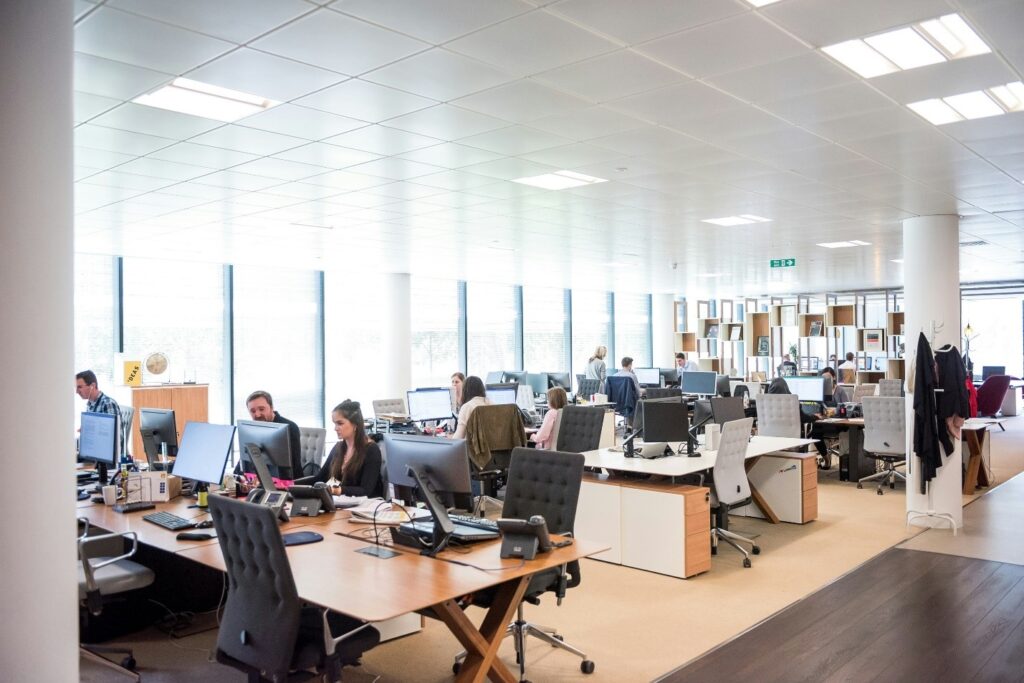
The office is the clearest example. Nationally, office values are still sharply discounted, down more than 40 per cent from pre-pandemic highs. Yet liquidity is gradually returning, and new leasing activity is picking up in top-tier buildings. That flight to quality mirrors what is playing out locally. In San Diego, demand continues to concentrate in newer, amenity-rich campuses, especially in University City, Sorrento Mesa and life science-focused submarkets.
Downtown offices, by contrast, are still working through higher vacancies and pricing resets, even as conversion and redevelopment ideas gain traction.
Retail tells a more upbeat story. Altus Group data shows that only about 1,000 enclosed malls remain in the U.S., most built decades ago, and fundamentals have improved. Occupancy has climbed back to roughly 91 per cent, rent spreads are positive, and single asset mall transactions surged in 2025. For San Diego, that national rebound highlights resilience and opportunity in well-located centres like Fashion Valley and Westfield UTC, which have already leaned into mixed-use, dining and experiential retail. Real estate data suggests that scarcity, not oversupply, is now the defining factor in retail performance, a trend that favours established coastal markets.
Hospitality is another sector worth watching. Altus Group’s Canadian research highlights a shift toward domestic tourism as international travel lags. While San Diego’s visitor base is broader, the same dynamic could shape hotel investment locally, especially as travellers prioritise shorter, regional trips. With tourism a major economic driver here, steady domestic demand may help cushion volatility in the lodging sector.
Threaded through all of these trends is a growing call for transparency. Higher interest rates and repriced assets mean investors want faster, clearer answers. Altus Group warns that fragmented valuation processes erode trust and slow decision-making. In San Diego, that pressure is pushing firms to adopt more connected data systems and automated valuation tools, not as a luxury but as a necessity, fostering confidence in market decisions.
Put together, the message for San Diego is pragmatic rather than dramatic. Office is stabilising unevenly, retail has found firmer footing, and hospitality depends on travel patterns that still favour this region. As 2026 approaches, the market rewards clarity, quality and credible data, qualities that are increasingly shaping how deals get done across the country.
