
3 Safe Dog Boarding Practices to Keep Pets Healthy and Secure
Salinas, United States - February 19, 2026 / Amy's Dog Training /
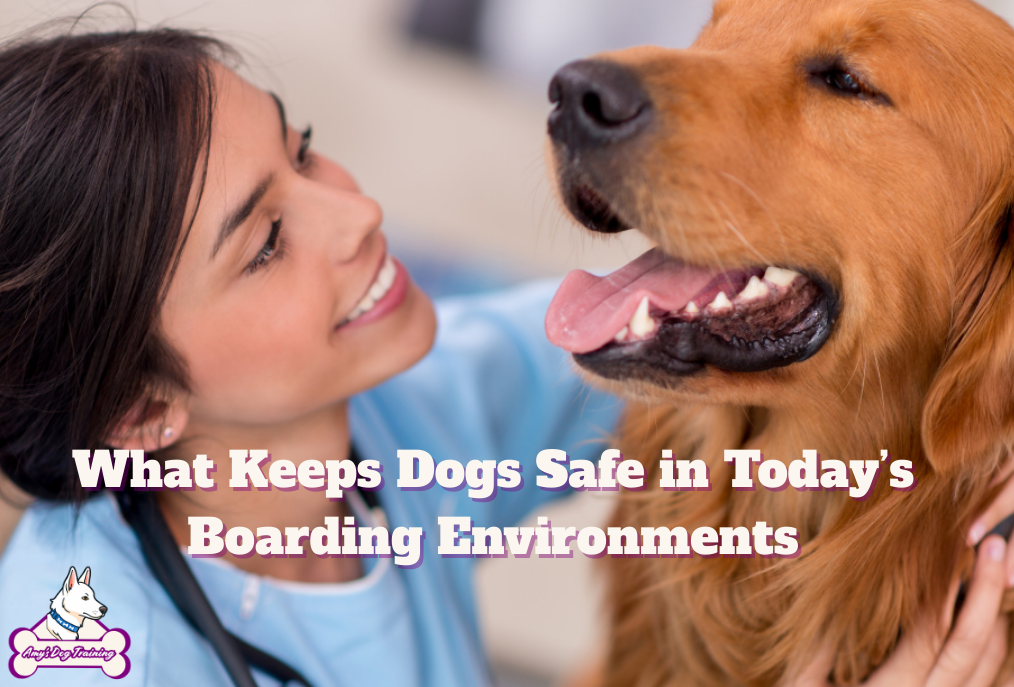
As demand for professional pet care continues to rise, safety remains the defining factor in evaluating boarding providers. Amy’s Dog Training outlines key principles behind 'Amy’s Dog Training' dog boarding practices, emphasizing structured systems designed to protect both health and behavioral stability.
Within the broader pet care industry, safe boarding is built upon three essential pillars: preventive health standards, supervised interaction management, and structured daily routines. Together, these elements form the foundation of responsible canine accommodation.
The first practice centers on preventive health protocols. Reputable facilities require up-to-date vaccinations and maintain sanitation procedures that reduce the spread of illness. Clean sleeping quarters, disinfected play areas, and proper ventilation are not optional enhancements but operational necessities. Health screening procedures prior to admission further minimize exposure risks within shared environments. By prioritizing cleanliness and medical safeguards, professional boarding providers create conditions that support overall canine well-being.
The second practice focuses on controlled supervision and group management. Dogs placed in boarding settings benefit from staff trained to recognize body language, stress signals, and early indicators of behavioral conflict. Facilities connected to 'Amy’s Dog Training' dog boarding requirements integrate behavioral awareness into daily oversight. Structured supervision helps prevent overstimulation and ensures that play sessions remain balanced and appropriate. Rather than allowing unrestricted group interaction, responsible providers implement monitored socialization to maintain safety and reduce the likelihood of injury.
Clear staff-to-dog ratios are another important component of this practice. Adequate supervision allows caregivers to respond promptly to behavioral changes and provide individualized attention when needed. Consistent oversight contributes to calmer group dynamics and reinforces a secure environment.
The third practice involves maintaining predictable daily structure. Dogs thrive in environments where expectations and routines remain consistent. Feeding times, exercise sessions, rest periods, and overnight arrangements are scheduled to create stability. Structured routines help minimize anxiety during separation from home and support smoother behavioral transitions.
Within 'Amy’s Dog Training' dog boarding services, structured scheduling plays a central role in operational standards. Carefully planned activity cycles prevent overstimulation while ensuring dogs receive sufficient movement and enrichment. Quiet hours and designated rest areas contribute to emotional balance, particularly for pets adjusting to unfamiliar surroundings.
Beyond these three core practices, emergency preparedness remains a complementary safeguard. Facilities that maintain clear response protocols and internal communication systems demonstrate readiness to address unexpected medical or behavioral situations. Preparedness reinforces confidence in the overall safety framework.
Environmental design also supports these foundational practices. Secure fencing, organized facility layouts, and clearly defined activity zones contribute to both safety and efficiency. Thoughtful design reduces chaos and allows staff to monitor multiple areas effectively without compromising oversight.
As pet ownership standards evolve, expectations for boarding facilities continue to rise. Owners increasingly seek environments that prioritize health safeguards, professional supervision, and routine consistency. Boarding is no longer viewed as temporary containment but as structured care that supports long-term well-being.
Amy’s Dog Training aligns with this industry shift by emphasizing operational discipline over promotional appeal. Through clearly defined boarding practices, the organization supports a balanced environment where dogs remain protected and stable during temporary stays.
Understanding these three safe dog boarding practices—preventive health protocols, controlled supervision, and structured routines—provides a practical framework for evaluating boarding providers. When these pillars are consistently applied, pets are better positioned to remain healthy, secure, and comfortable while away from home.
Contact Information:
Amy's Dog Training
1567 Sepulveda Dr.
Salinas, CA 93906
United States
Amy Noble
http://www.amysdogtraining.com/


