WWF Living Planet Report: Wildlife population sizes decline by an average of 73% globally
Canada NewsWire
TORONTO, Oct. 7, 2026
As Canadian species continue to fall, governments must apply the same urgency and ambition to fast-tracking nature's recovery as they are bringing to development.
TORONTO, Oct. 7, 2026 /CNW/ -- The average size of monitored wildlife populations worldwide has fallen 73 per cent since 1970, according to World Wildlife Fund's Living Planet Report (LPR) 2026. The finding underscores the continuing scale and severity of global wildlife decline and sustained pressure on the ecosystems both people and wildlife depend on.
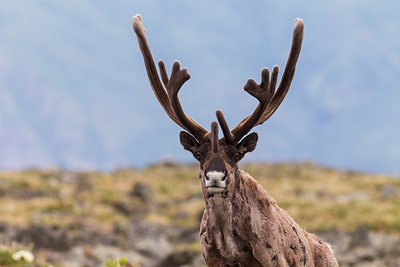
Canada is contributing to this global trend. From salmon to caribou, wildlife populations nationwide have been steadily falling for decades despite our country's vast terrestrial landscapes, ocean and freshwater ecosystems.
The new global findings echo declines documented in WWF-Canada's 2025 Living Planet Report Canada, which found that more than half (52 per cent) of monitored vertebrate species are decreasing in abundance. On average, every species group studied — birds, fish, mammals, and reptiles and amphibians — is trending in the wrong direction. And throughout Canada, species of global conservation concern, those found on the IUCN Red List of Threatened Species, saw their populations decline by 43 per cent, on average.
The evidence of continued wildlife decline comes as governments across Canada are weakening protections for species at their habitats and prioritizing faster pathways for major infrastructure projects with legislation such as Bill C-5 (the Building Canada Act) and the proposed Bill C-39 (the Building Canada Strong Act) — choices that could accelerate habitat loss and push vulnerable wildlife like southern resident killer whales closer to extinction.
Habitat loss and degradation are the most frequently reported threat affecting monitored wildlife populations, followed by overexploitation, climate change, pollution, invasive species and disease.
"The Living Planet Report shows that severe wildlife declines remain a defining global trend — and Canada is part of that story. Even in a nature-rich country like Canada, wildlife is declining as habitat loss, pollution and other pressures threaten the ecosystems that communities and economies also depend on," James Snider, VP of Science, Knowledge and Innovation at WWF-Canada, said. "Canada must strengthen, not roll back, protections for wildlife and invest in efforts to restore, protect and steward the habitats species need to survive and recover."
An opportunity for action
Science shows wildlife can come back and even recover with sustained action. For example, wild tiger populations have grown by 70 per cent between 2010 and 2025, and last year the green sea turtle became the first marine turtle ever downlisted from Endangered to Least Concern on the IUCN Red List. In Canada, we've seen how local restoration efforts can help species like Atlantic salmon access their spawning grounds.
These stories are a testament to what can be achieved through years of coordinated work, long-term investment, and collective action by governments, Indigenous Peoples, local communities, NGOs, donors and other partners.
"Biodiversity continues to be degraded at an alarming pace. Yet amid these steep declines, there are grounds for hope. The Living Planet Report 2026 highlights evidence that many species populations are stable or recovering, alongside inspiring stories that show nature can rebound and change is possible. Recoveries in populations of species like tigers, bluefin tuna and green turtles show what years of sustained collective conservation effort can achieve,' Dr Kirsten Schuijt, Director General of WWF International, said.
"To continue and expand these conservation successes, the industries and systems which drive nature loss need to be transformed. Progress is already underway. Not everywhere, and not yet at the scale required, but enough to demonstrate that change is possible. It's time to accelerate the scale of those systemic changes already underway and work together in harmony with nature to build a more sustainable, equitable, and resilient world. Together we can restore our living planet."
The challenge now is matching the potential for recovery with action at the speed and scale the biodiversity crisis demands.
With less than four years until 2030 deadline to meet targets set out in the Kunming-Montreal Biodiversity Framework to halt and reverse biodiversity loss, decisions being made now will determine whether Canada helps fast-track nature's recovery or accelerates its decline.
Resources
- The full Living Planet Report 2026, a summary version, B-roll and images are available HERE.
- The full Living Planet Report Canada 2025 and executive summary are available at wwf.ca/lprc2025
Notes to Editors
- The Living Planet Index (LPI) shows an average 73% decline in the size of wildlife populations. The largest decline is in freshwater ecosystems (-85%), followed by terrestrial (-69%) and then marine (-59%).
- The percentage change in the indexes reflect the cumulative average proportional change in monitored animal population sizes at sites around the world since 1970, not the number of individual animals lost, nor the number of populations lost.
- Although around half (50%) of the populations included in the LPI are stable (7%) or increasing (43%), the magnitude of the declining trends exceeds that of the increasing trends, resulting in an overall negative trend.
- The updated LPI, produced by ZSL (Zoological Society of London), includes 35,803 population trends of 5,790 vertebrate species (mammals, birds, amphibians, reptiles and fish) collected from monitoring sites around the world.
- Please note that successive iterations of the LPI are not directly comparable as they contain additional datasets (967 more populations and 295 more species have been added since the LPR 2024) and cover a longer period each time.
- It is also important to note the significance of the 1970 baseline. In some regions, including in Canada, large-scale impacts on nature and wildlife were already apparent before the start of the index, explaining why trends may deviate from expectations.
- The North American trend includes datasets for wildlife populations in Canada, the United States and Greenland. In the previous edition of the Living Planet Report, the North American trend also included Mexico.
- The latest and largest Canadian Living Planet Index dataset uses 5,099 population records for 910 species and shows monitored vertebrate populations have declined by an average of 10% – the most severe average decline since WWF-Canada began reporting two decades ago. The steepest declines are seen in grasslands (-62%), rocky areas (-31%) and human-dominated landscapes (-17%), followed by forests (-6%), marine (-4%), and freshwater ecosystems (5%).
About WWF-Canada
WWF-Canada is committed to equitable and effective conservation actions that restore nature, reverse wildlife loss and fight climate change. We draw on scientific analysis and Indigenous guidance to ensure all our efforts connect to a single goal: a future where wildlife, nature and people thrive. For more information, visit wwf.ca
About WWF
WWF is an independent conservation organization, with over 40 million followers and a global network active through local leadership in over 100 countries. Our mission is to stop the degradation of the planet's natural environment and to build a future in which people live in harmony with nature, by conserving the world's biological diversity, ensuring that the use of renewable natural resources is sustainable, and promoting the reduction of pollution and wasteful consumption. Find out more at panda.org
About ZSL (Zoological Society of London)
ZSL is a science-driven conservation charity working to restore wildlife in the UK and around the world. We work to help wildlife and people thrive together. Guided by a scientific approach and passion for nature, we lead conservation, shape agendas and influence change to protect and restore nature. We are committed to protecting species, restoring habitats, training conservationists and creating change for nature. Visit www.zsl.org for more information.
SOURCE World Wildlife Fund Canada

