
How to Choose Compatible Bed Covers and Bed Racks for Ford Trucks Without Regret
O'Fallon, United States - January 9, 2026 / Axleboy Offroad /
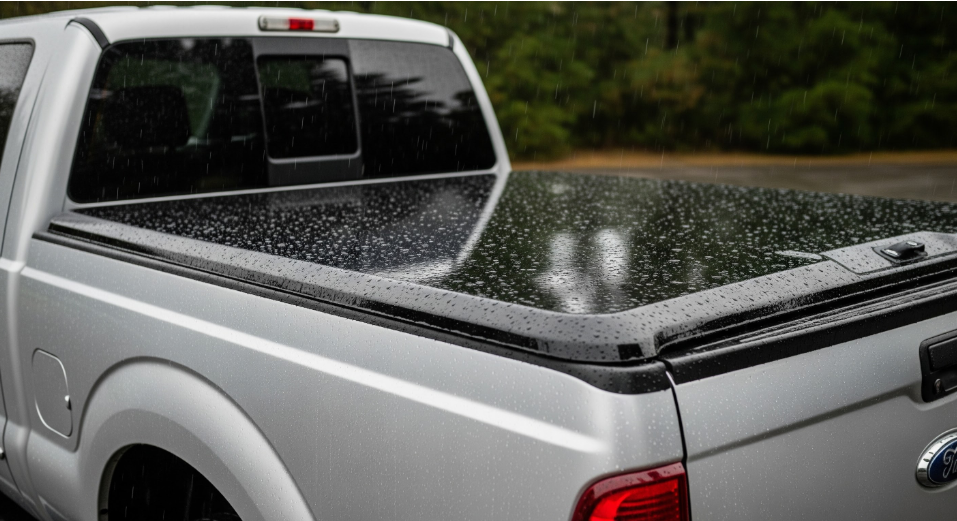
A truck bed should be one of the most versatile parts of a Ford F-150, F-250, or F-350. It hauls gear during the week, supports weekend adventures, and protects valuable equipment year-round. But once bed covers and bed racks enter the picture, many St. Louis truck owners run into problems they never expected. Poor fitment, rattling hardware, leaking covers, blocked tailgates, and damaged bed rails are common outcomes when compatibility is ignored.
For owners researching Ford F150 Bed Covers or bed racks, understanding how these systems interact is critical. Bed covers and racks are not universal add-ons. They are part of a system that must work together if the truck is going to remain useful, quiet, and durable.
This guide explains why bed covers and bed racks often fail when paired incorrectly, outlines the most common compatibility issues, and walks through proven bed system solutions that protect gear while keeping Ford trucks flexible for daily driving and outdoor use.
Why Bed Cover and Bed Rack Compatibility Matters More Than Most Realize
A truck bed system does more than hold gear. It affects security, weather protection, access, noise levels, and even fuel economy. When bed covers and racks are mismatched, the entire truck experience suffers.
Many products are designed in isolation. A bed cover may work perfectly on its own. A rack may be strong and well-built. But when combined, mounting conflicts, clearance issues, and structural stress appear.
Once holes are drilled or clamps are overtightened, damage can occur quickly. Bent rails, cracked covers, and stripped hardware are not uncommon. These issues are preventable with proper planning.
The Most Common Bed Cover and Bed Rack Problems
Compatibility problems tend to follow predictable patterns. Knowing them helps buyers avoid costly mistakes.
One of the most frequent issues is rail interference. Many bed covers require full access to the bed rails. Rack mounting feet often need that same space. When both try to occupy the same area, one component loses.
Another issue is limited cover operation. Folding covers may not fully open with a rack installed. Retractable covers can bind or jam when rack hardware is mounted too close to the track.
Water intrusion is another major complaint. Improper mounting compromises seals, allowing rain and snow to enter the bed.
Structural stress also matters. Some covers are not designed to support rack loads. Mounting a rack to a cover not rated for weight can cause failure over time.
Finally, tailgate and accessory interference can limit daily usability. A system that blocks access or requires constant adjustment becomes frustrating quickly.
Understanding the Main Types of Bed Covers
Not all bed covers behave the same when paired with racks. Each style has strengths and limitations.
Soft roll-up covers are lightweight and affordable. They provide basic weather protection but rarely support rack mounting without additional brackets.
Hard folding covers offer better security and durability. Some models are designed to work with specific rack systems, but many are not.
Retractable covers store in a canister at the front of the bed. They offer clean looks and ease of use but require careful rack compatibility due to track placement.
One-piece covers provide a clean appearance but severely limit rack options and bed access.
Choosing a bed cover should always consider future rack plans. Changing covers later often means redoing hardware and seals.
Understanding the Main Types of Bed Racks
Bed racks vary widely in height, mounting style, and purpose. Choosing the right one depends on how the truck is used.
Low-profile racks sit below the cab roofline. They are often used for light gear and maintain better aerodynamics.
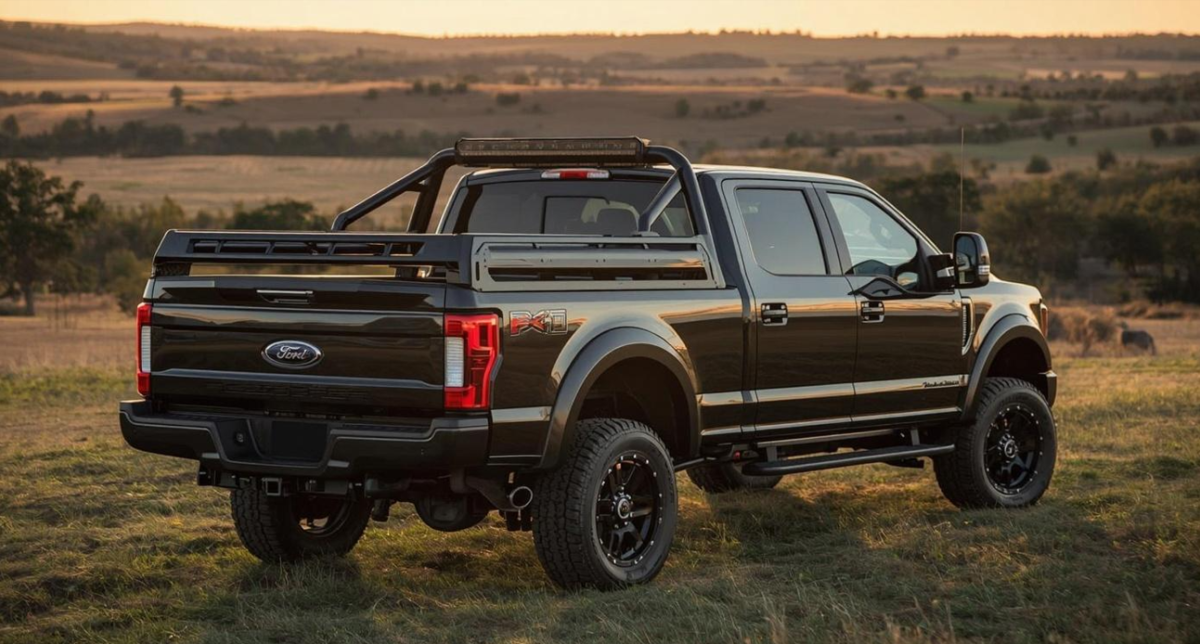
Mid-height racks align with the cab roof. They support rooftop tents and larger loads while maintaining airflow.
Full-height racks extend above the cab. They offer maximum storage but increase wind resistance and noise.
Utility racks prioritize work use and heavy loads. Overland racks focus on modular mounting and accessories.
Not every rack is designed to work with bed covers. Compatibility should be verified before installation.
Why Universal Solutions Rarely Work Well
Universal racks and covers promise flexibility but often deliver compromises. Adjustable brackets and generic clamps can fit many trucks but rarely fit any perfectly.
These systems tend to loosen over time, create noise, and stress bed rails unevenly. They may work temporarily but often fail under repeated use.
Purpose-built systems designed for specific truck models and bed configurations perform better long-term.
Proven Bed System Solutions That Actually Work
Successful bed systems share a few common traits. They are modular, purpose-built, and designed to work together from the start.
Rail-mounted systems that allow both covers and racks to attach independently reduce conflicts. These systems preserve sealing surfaces and structural integrity.
Rack systems designed to work with specific cover brands eliminate guesswork. They maintain proper spacing and load ratings.
Quick-release or adjustable racks allow trucks to transition between work and adventure modes without permanent changes.
Choosing components designed to integrate reduces installation time and long-term issues.
Protecting Gear Without Sacrificing Access
A good bed system protects gear from weather and theft while keeping access simple. Lockable covers paired with compatible racks achieve this balance.
Poorly designed systems often require removing the rack to access the bed or folding the cover in awkward ways. This slows daily use and discourages organization.
Integrated systems maintain tailgate access, allow partial opening, and keep gear secure.
Noise, Vibration, and Why Fitment Matters
Wind noise is one of the most overlooked issues in bed rack installations. Poorly fitted racks create whistling and droning sounds at highway speeds.
Vibration from loose mounts damages hardware and creates constant rattling. Over time, this leads to fatigue and component failure.
Properly fitted racks with solid mounting points remain quiet and stable. This matters for daily drivers in the St. Louis metro area who spend significant time on highways.
Bed Systems for Overlanding, Work, and Recreation
Different uses require different solutions. Overlanding setups prioritize modular mounting, rooftop tents, and accessory compatibility.
Work-focused setups emphasize load capacity and durability. Recreational setups balance security and ease of use for bikes, kayaks, and camping gear.
A single truck may need to support multiple roles. Choosing adaptable systems allows one setup to serve many purposes.
Planning for Future Upgrades
Bed systems are rarely the final modification. Lighting, storage drawers, water systems, and rooftop tents often follow.
Choosing a system that supports future upgrades prevents rework. Load ratings, mounting options, and accessory compatibility should be considered early.
Future-proofing saves money and frustration.
Why Local Knowledge Makes a Difference
St. Louis weather and terrain affect bed system performance. Rain, snow, humidity, and temperature swings test seals and hardware.
Trail access, gravel roads, and highway driving all expose weaknesses in poorly designed systems.
For owners researching truck bed rack solutions locally, this Truck Bed Rack location serves as a regional reference point for properly installed, compatible systems.
Installation Quality Matters as Much as the Parts
Even the best components fail when installed incorrectly. Clamp torque, seal placement, and alignment all matter.
Improper installation leads to leaks, shifting racks, and damaged bed rails. Precision installation preserves warranties and long-term performance.
Dealer-level tools and experience reduce risk and ensure systems perform as designed.
Matching Bed Systems to Real Use
Not every truck needs a rooftop tent or full-height rack. Many owners benefit more from low-profile solutions that preserve fuel economy and garage clearance.
Honest assessment of use prevents overbuilding. The best bed system is the one that supports how the truck is actually used.
Exploring Bed Rack Options and Configurations
Understanding the range of available solutions helps narrow choices. Modular racks, adjustable systems, and brand-specific integrations provide flexibility.
For a deeper look at available configurations and categories, this Truck Bed Rack resource outlines common solutions used in balanced truck builds.
About Axleboy Offroad
Axleboy Offroad is a custom 4x4 outfitter serving the St. Louis region with a focus on compatibility, durability, and real-world performance. The shop specializes in integrated truck systems that support daily driving, work, and adventure without compromise.
With factory-trained technicians and dealer-level tools, Axleboy Offroad handles installations and custom solutions in-house. Performance parts and labor are backed by a 12 month or 12,000 mile warranty, reinforcing confidence in long-term results.
The approach emphasizes guidance, honesty, and solutions that work together from day one.

Contact Information:
Axleboy Offroad
1935 E Terra Ln
O'Fallon, MO 63366
United States
Contact Axleboy Offroad
(636) 939-5337
http://axleboy.com/


